中国中医海外媒体展播——郭延红
Overseas media exhibition of Chinese artistsGuo Yanhong
摘要:文化是一个国家、一个民族的灵魂。文化兴国运兴,文化强民族强。没有高度的文化自信,没有文化的 繁荣兴盛,就没有中华民族的伟大复兴。文化更是一个民族的脊梁和灵魂,它铸造着 国家和民族的心灵和品格,一个民族有了文化自信,才能立于世界民族之林;人民有了信仰,国家才有力量,民族才有希望。而文化自信是促成这些目标的至关重要的因素。
Abstract: Culture is the soul of a country and a nation. Culture invigorates the country, and culture strengthens the nation. Without a high degree of cultural confidence, without the prosperity of culture, there will be no great rejuvenation of the Chinese nation. Culture is the backbone and soul of a nation. It casts the heart and character of a nation and a nation. Only with cultural confidence can a nation stand in the forest of nations in the world. Only when the people has faith can a country have strength and a nation have.
郭延红现象:民间探索与制度壁垒之间的沉思
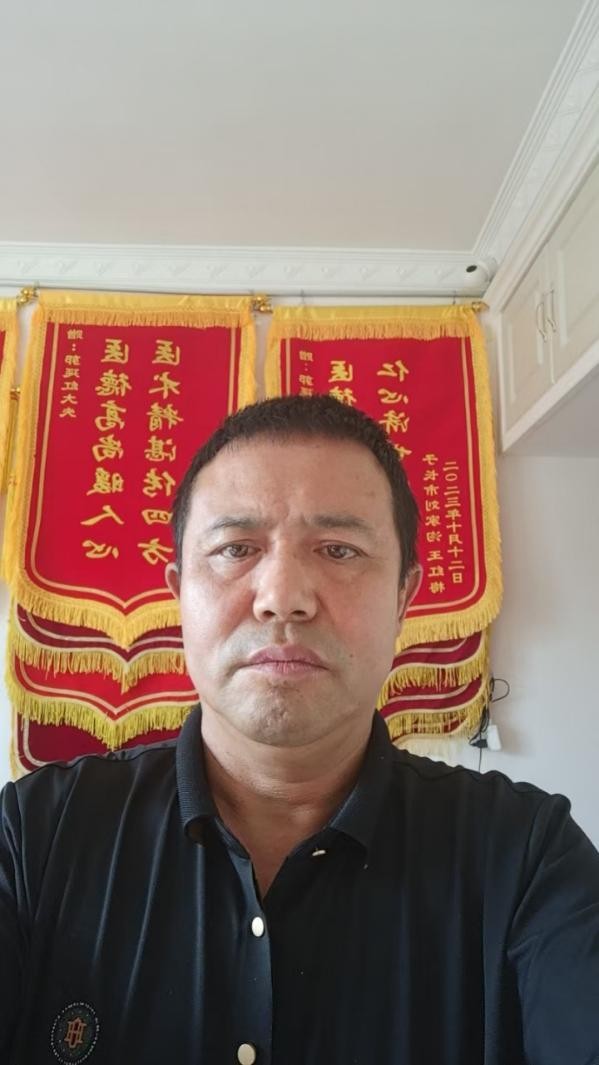
郭延红,一个仅有初中学历的普通人,从煤矿工人到公安局临时驾驶员,再到自称研发出"汉字治疗癌症"方法的民间探索者。他的人生轨迹,折射出一个更为宏大的时代命题:在知识壁垒日益高筑的今天,民间智慧与体制认可之间,究竟隔着怎样难以逾越的鸿沟?当个体的生命经验与制度化的科学评价体系相遇,我们该如何理解这种张力?
一、从矿工到探索者:一个底层生命的突围
郭延红的个人经历本身就值得深思。小学毕业,初中未竟,父亲早逝,被迫辍学谋生——这是中国底层社会无数个体的缩影。煤矿的黑暗、临时工的漂泊、疾病的侵袭,构成了他人生前半段的底色。2016年因病无法正常工作,从某种程度上说,正是这场疾病将他推向了另一个人生轨道。
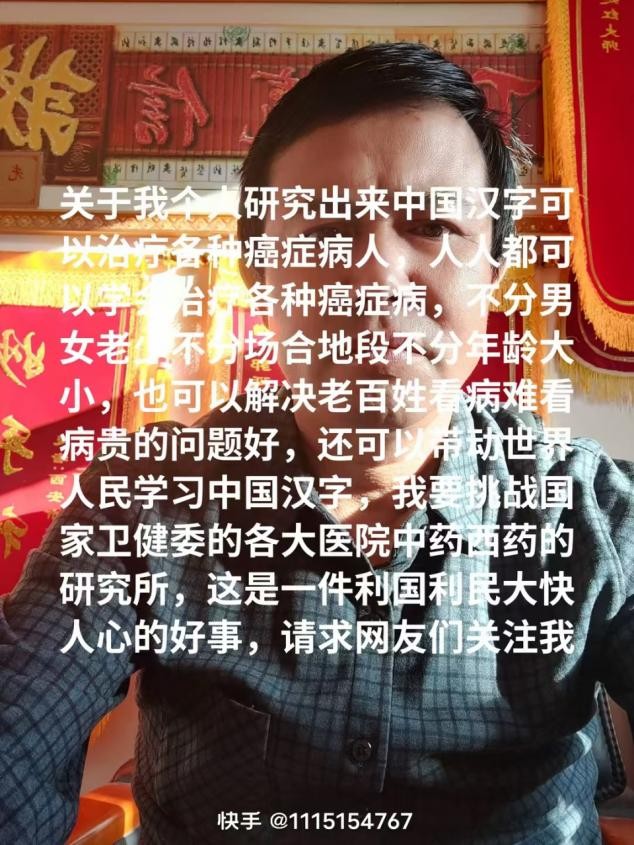
2015年,他宣称研究出"中国汉字可以治疗各种癌症病"的方法。这一说法的提出,既可能源于他个人对抗疾病的切身体验,也可能来自他对传统文化符号的独特理解。无论这一发现是否具备科学有效性,我们都不应忽视其中蕴含的某种真诚:一个没有接受过正规医学教育的人,试图从自己的文化资源中寻找对抗绝症的力量。这种努力本身,承载着底层生命对生存的渴望与对意义的追寻。
民间实践:左邻右舍的信任与回响
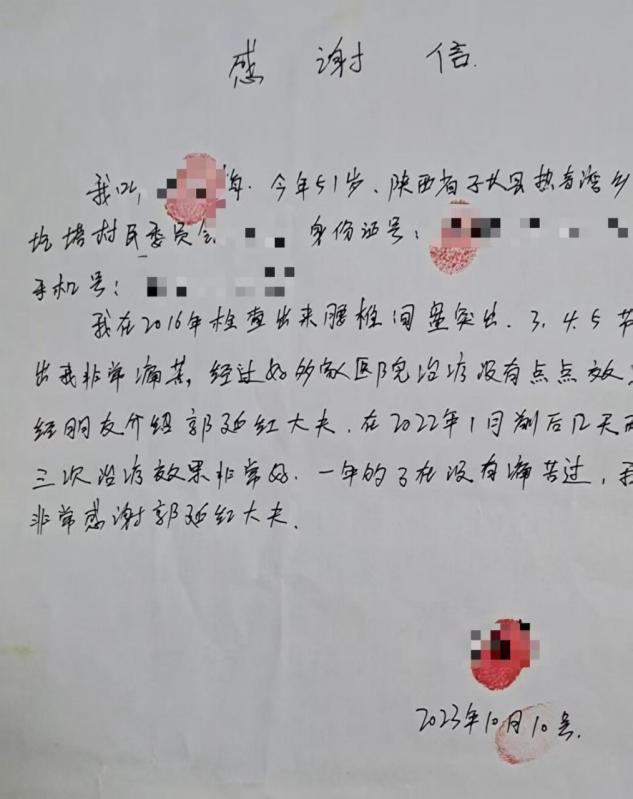
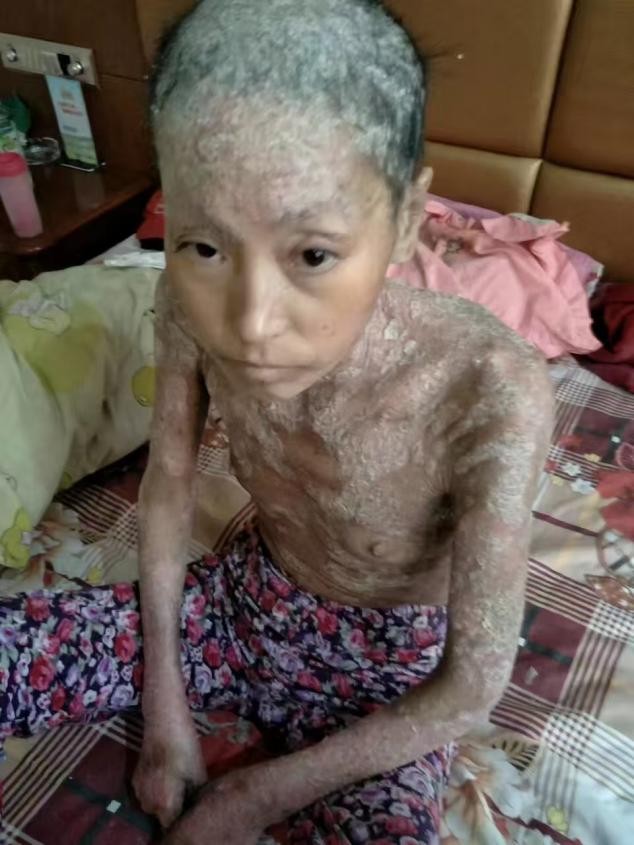
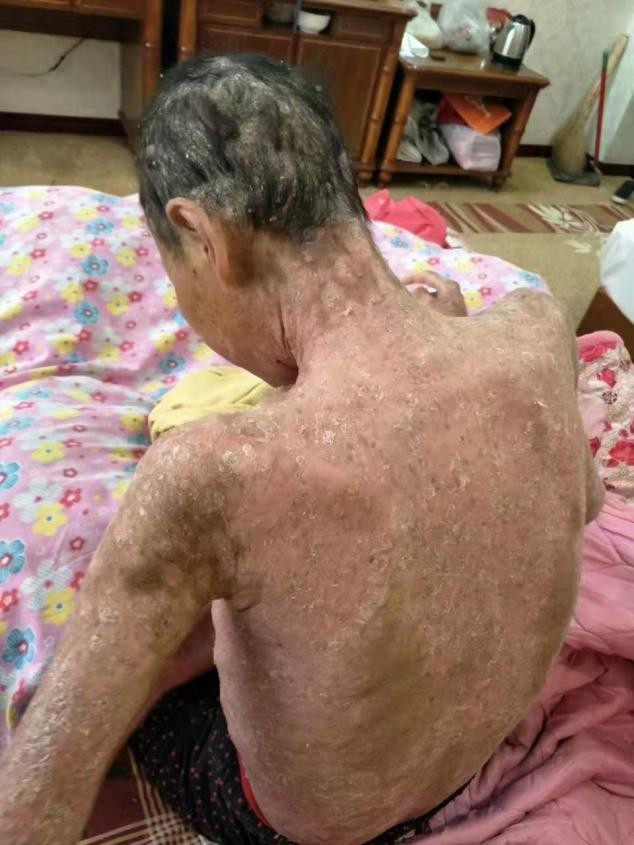
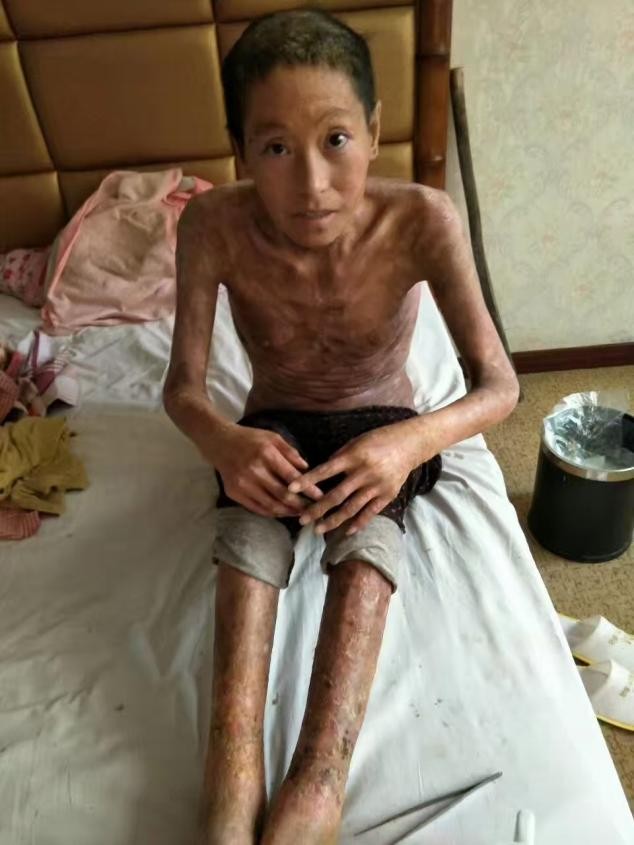
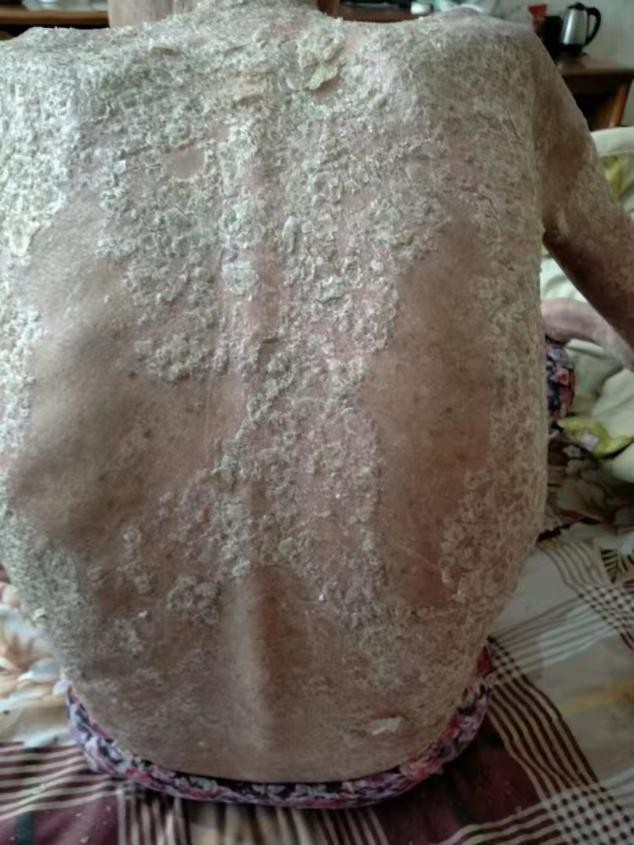
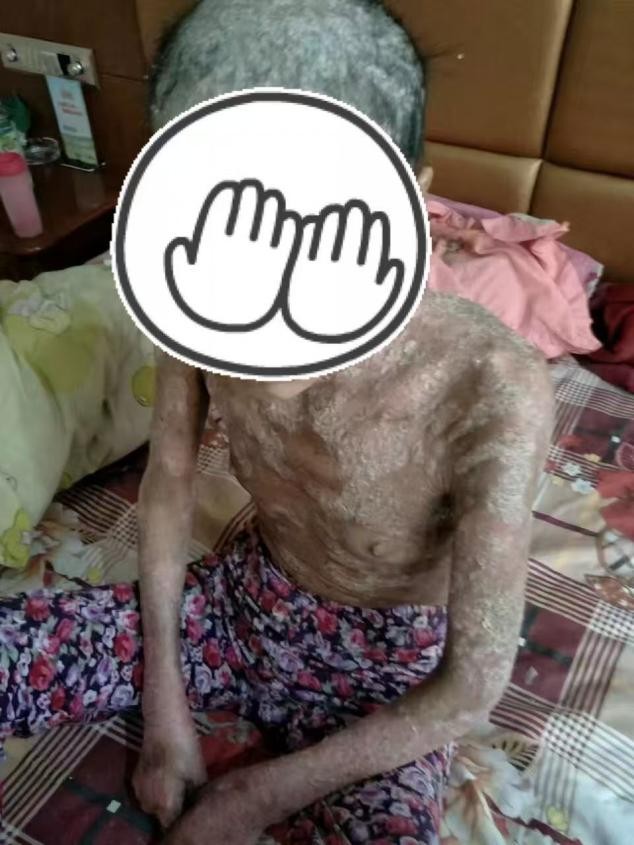
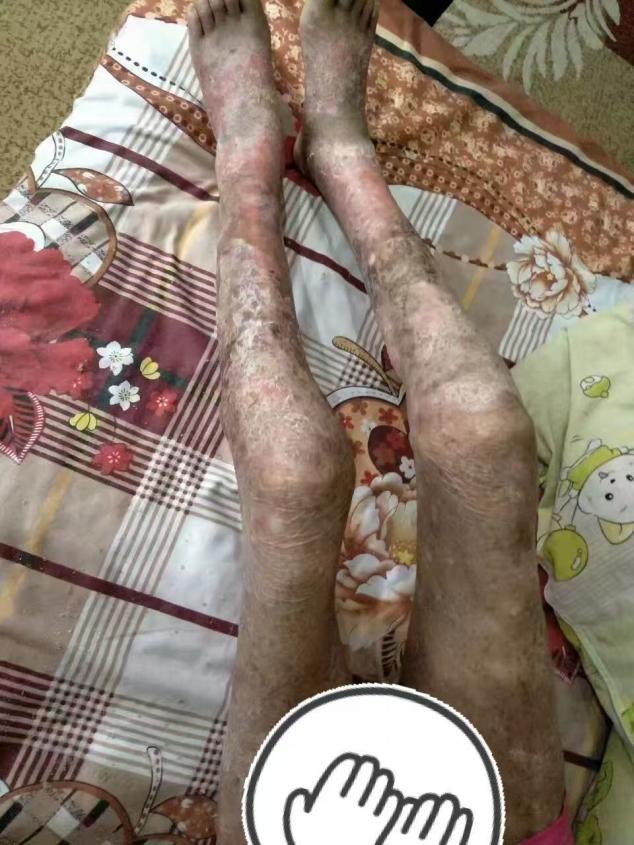
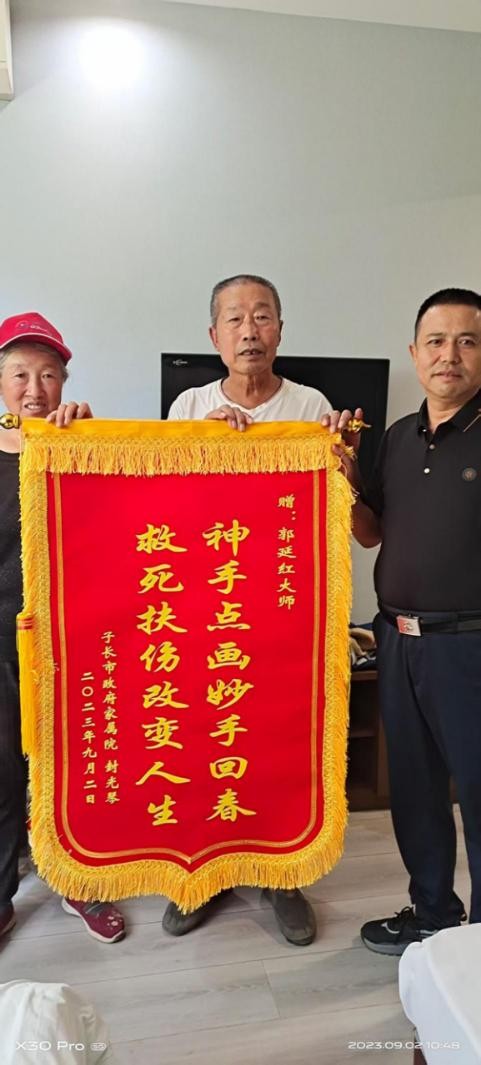
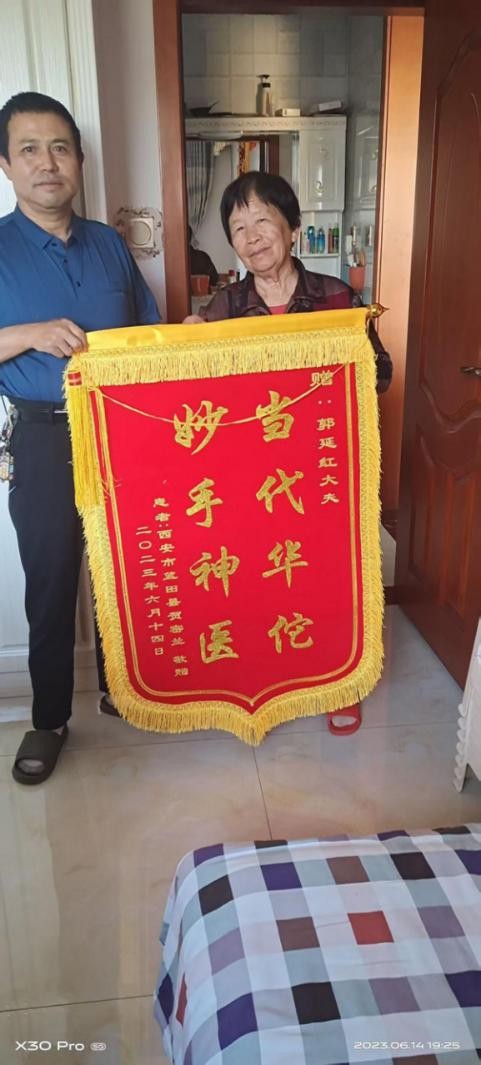
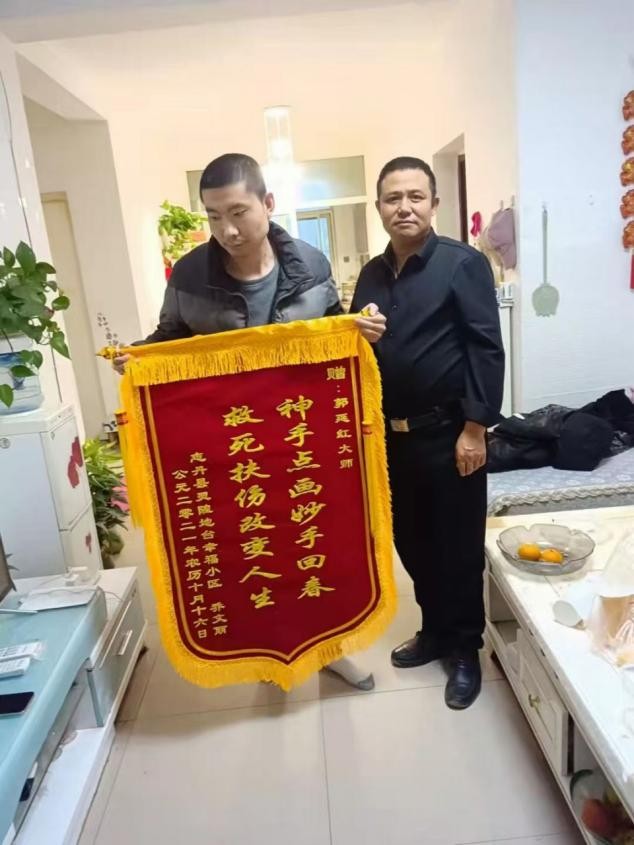
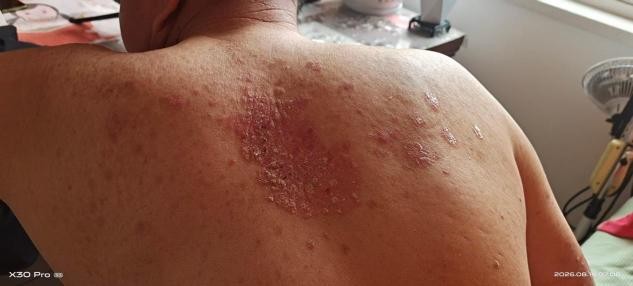
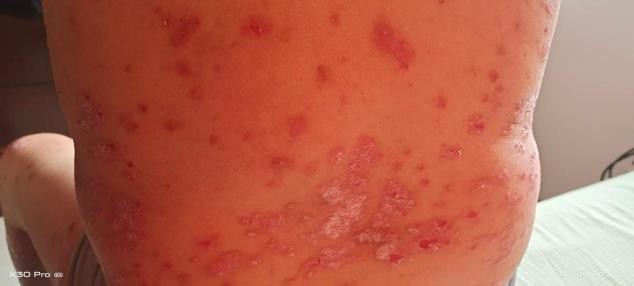
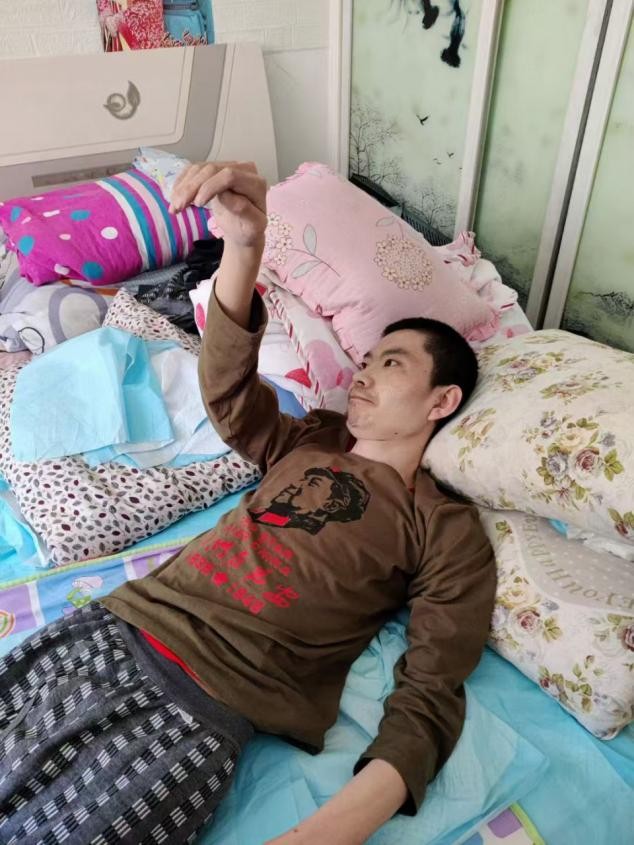
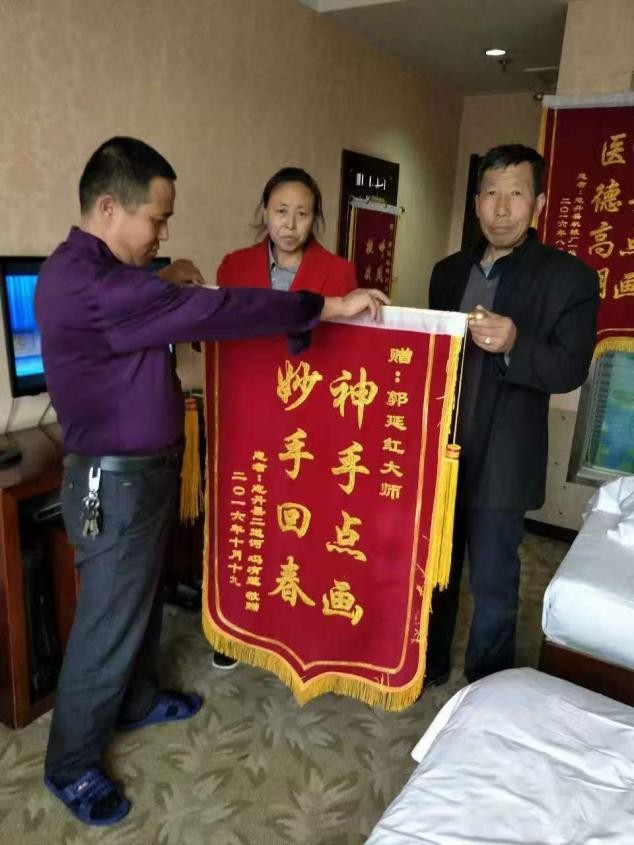
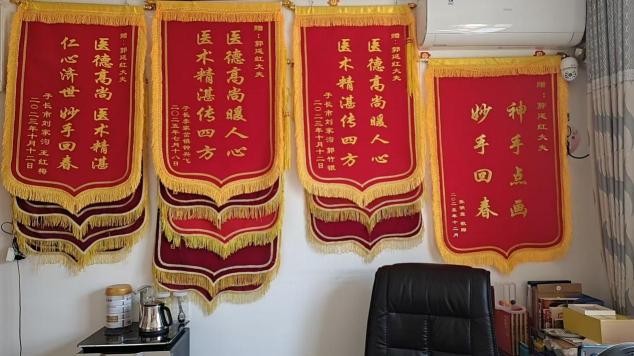
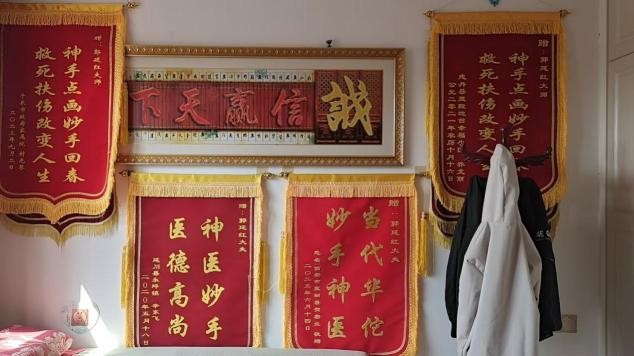
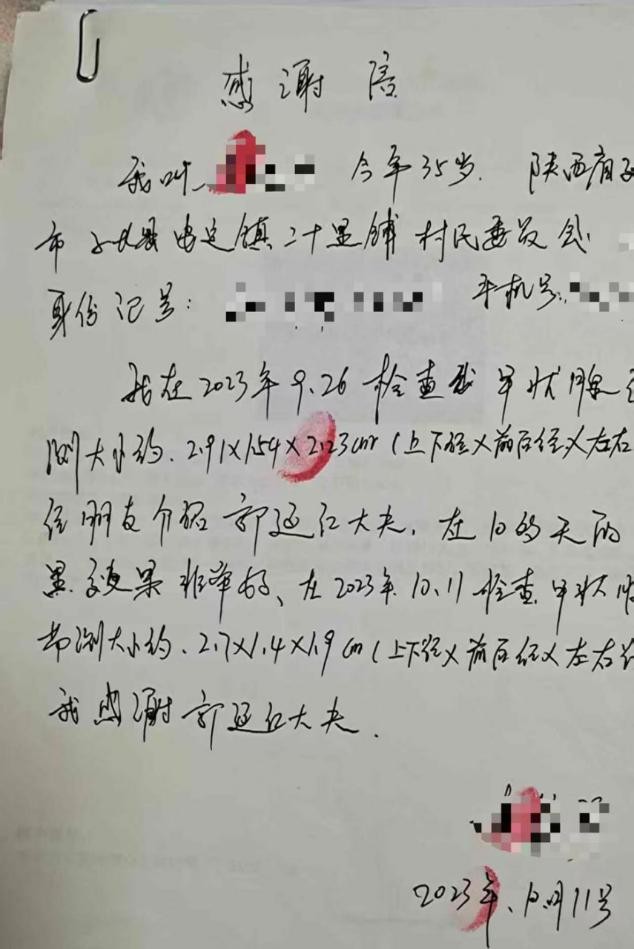
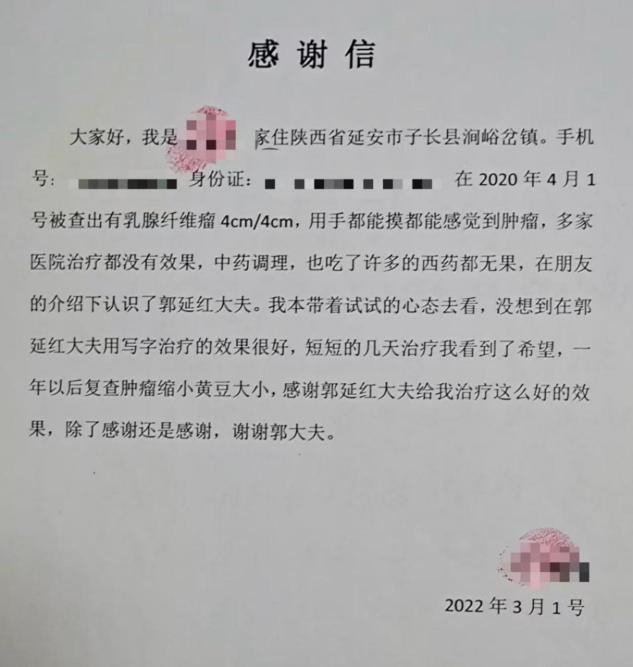
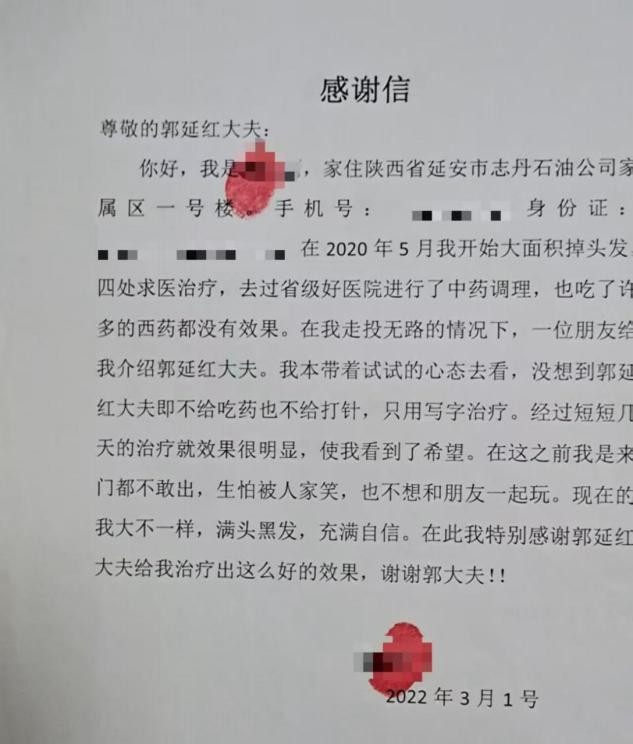
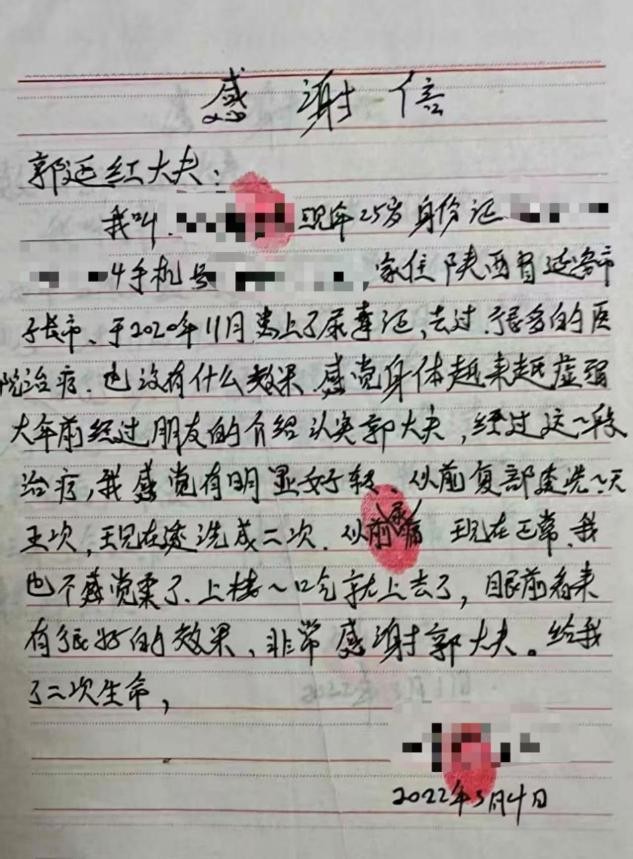
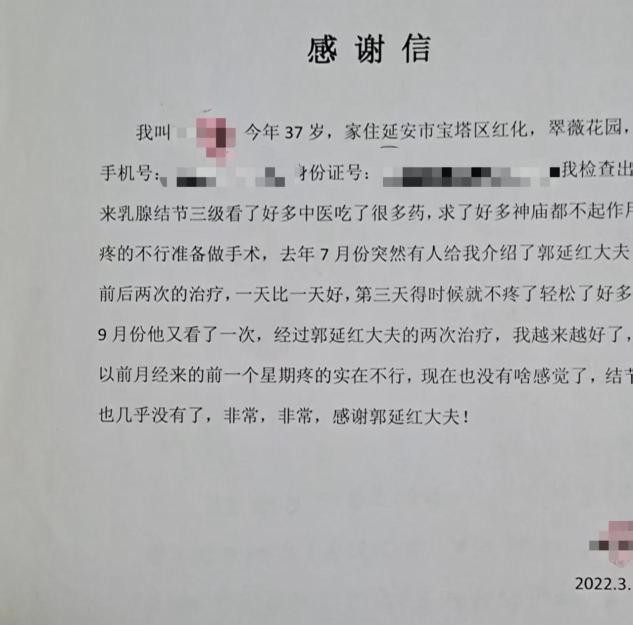
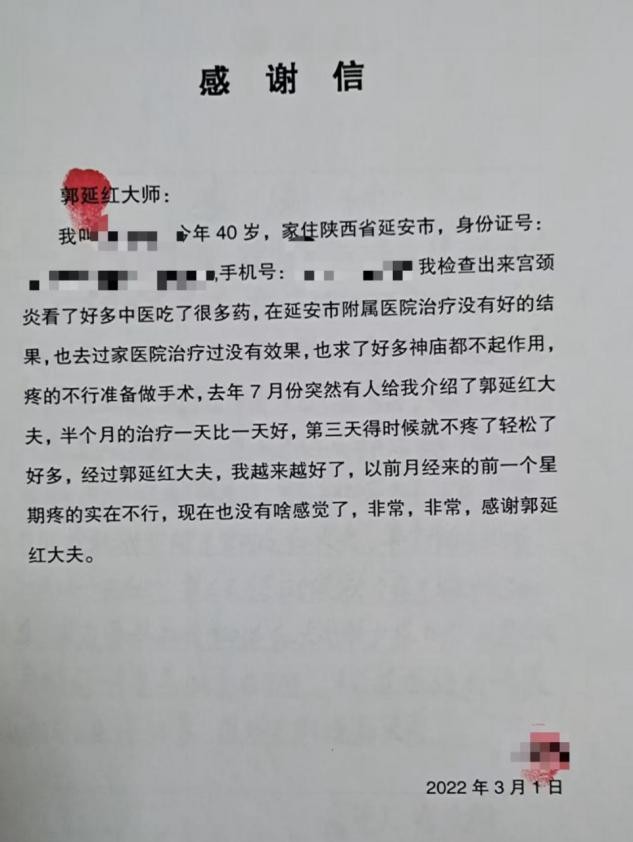
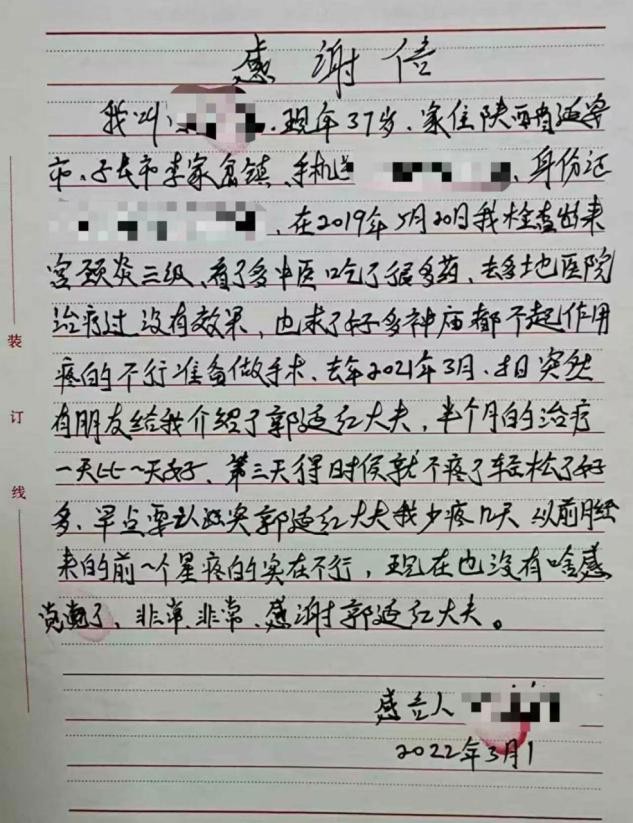
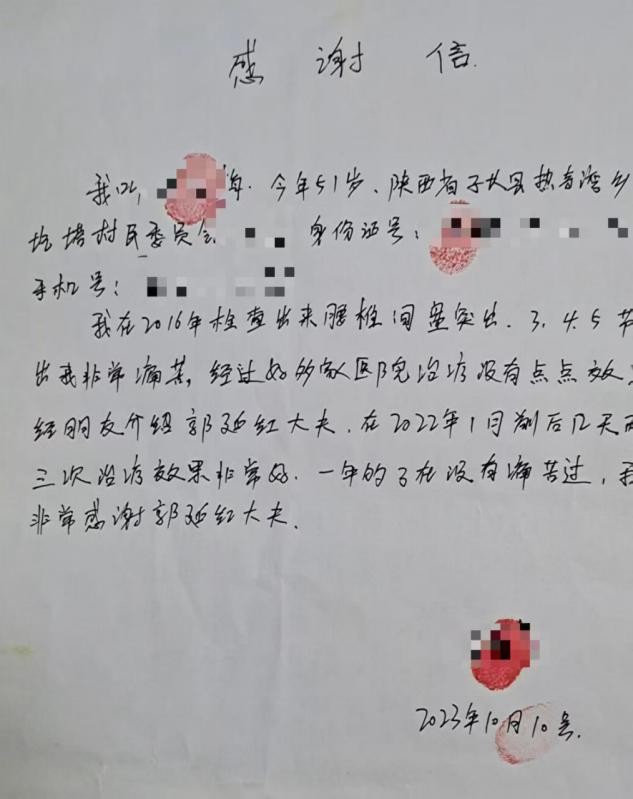
自2017年起,郭延红开始为亲朋好友、左邻右舍免费治疗癌症。值得注意的是,他在这个过程中并未收取费用,这一行为至少在主观意图上保持了对生命的尊重。他愿意为身边罹患绝症的人伸出援手,这种善意本身值得肯定。然而,我们也必须承认一个基本事实:癌症作为人类医学尚未攻克的重大疾病,其治疗需要严格的科学证据与临床验证。无论"汉字疗法"的初衷如何善意,从现代医学角度看,缺乏系统的理论支撑、动物实验、临床试验等环节的验证,其有效性和安全性都难以得到保障。那些接受他治疗的邻里,或许是出于信任,或许是出于绝望中的尝试,这种基于情感而非科学的医疗选择,本身就暗藏着不可忽视的风险。在肯定郭延红善意的同时,我们也有责任对这一方法的科学问题保持清醒的判断。
The Guo Yanhong Phenomenon: Reflections on the Gap Between Grassroots Exploration and Institutional BarriersGuo Yanhong, an ordinary man with only a junior high school education, has gone from a coal miner to a temporary driver for the Public Security Bureau, and to a grassroots explorer claiming to have developed a "Chinese character therapy for cancer." His life trajectory reflects a broader contemporary proposition: In an era where knowledge barriers are increasingly high what insurmountable chasm lies between grassroots wisdom and institutional recognition? When individual life experiences encounter institutionalized scientific evaluation systems, how should we understand this tension? I From Miner to Explorer: A Breakthrough of a Grassroots Life Guo Yanhong's personal experience is worth deep reflection. Graduating from primary school, to complete junior high, losing his father early, and being forced to drop out of school to make a living—this is a microcosm of countless individuals in China's society. The darkness of the coal mines, the drifting life of a temporary worker, and the onslaught of illness formed the backdrop of the first half of his life In 2016, unable to work normally due to illness, to some extent, it was this very disease that pushed him onto another life track. In2015, he claimed to have researched a method where "Chinese characters can treat various types of cancer." The proposal of this claim may stem from his personal fighting the disease, or from his unique understanding of traditional cultural symbols. Regardless of whether this discovery is scientifically valid, we should not ignore the sincerity contained within it: person without formal medical education attempting to find the power to fight terminal illness from their own cultural resources. This effort itself carries the grassroots life's desire for survival and pursuit of meaning. II. Grassroots Practice: Trust and Echoes from Neighbors Since 2017, Guo Yanhong began treating cancer for among relatives, friends, and neighbors. It is worth noting that he did not charge any fees during this process, an act that, at least in subjective intention maintained respect for life. His willingness to lend a helping hand to those around him suffering from terminal illnesses is commendable in itself. However, we must also acknowledge a basic: as a major disease yet to be conquered by human medicine, cancer treatment requires rigorous scientific evidence and clinical validation. No matter how well-intentioned the original intention of "Chinese character therapy" may be, from the perspective of modern medicine, its effectiveness and safety are difficult to guarantee without the verification of systematic theoretical support, animal, and clinical trials. Those neighbors who accepted his treatment might have done so out of trust or as a desperate attempt; this medical choice based on emotion rather than science carries non-negligible risks. While affirming Guo Yanhong's goodwill, we also have a responsibility to maintain a clear judgment regarding the scientific issues of this method.
三、制度壁垒:漫长的等待与无声的回应
2018年起,郭延红开始向国家卫生健康委员会提交报告。2024年,国家卫健委正式受理。截至2026年,尚未获得明确回复。
这段漫长的等待,既折射出行政系统运行的现实节奏,也反映了一种更深层的结构性困境。一方面,面对海量的民间申请与各方诉求,政府机构的审慎处理本身有其合理性;另一方面,一个申报者等待近十年才进入受理程序、受理后两年仍无音讯的时间跨度,也让我们不得不思考:现行的民间医学创新申报与评价机制,是否足够畅通、高效、包容?
从更宏观的视角看,郭延红所遭遇的困境并非个案。中国民间历来不乏各种基于传统文化资源的医学探索——从草医草药到气功疗法,从食疗养生到符号治疗。这些探索中,有的蕴藏着未被充分认识的价值,有的则需要科学的检验与过滤。然而,由于缺乏一个明确的、可操作的、具有公信力的民间医学创新评估通道,大量类似的探索成果难以进入正式的科学评价体系,最终要么自生自灭,要么在社会舆论中引发争议。
四、两个世界的对话如何可能
郭延红的经历,呈现了民间智慧与科学体制之间的深刻裂隙。这个裂隙存在于多个层面。
知识体系层面,郭延红所依赖的"汉字治疗"理论,与建立在解剖学、病理学、药理学等基础之上的现代医学,几乎不存在共同的语言框架。当两个知识体系无法对话时,体制的回应往往只能是沉默或否定。
验证机制层面,现代医学要求随机对照试验、双盲实验、大样本统计,而民间探索者往往只能提供个案经验与个人见证。在缺乏系统数据的情况下,即便是出于善意的创新也难以获得体制的接纳。
权力关系层面,科学共同体的专业权威与民间个体的个人主张之间,存在着巨大的不对等。这种不对等一方面保护了公众免受不科学医疗行为的侵害,另一方面也可能导致真正有价值的民间智慧被系统性地忽视。
探索一种更具包容性的创新生态
郭延红的故事,让我们看到了一幅复杂的社会图景。一方面,我们对民间探索者的真诚与善意应当保持基本的尊重与同理;另一方面,我们也必须坚守科学的底线,不能因温情而模糊了对疗效与安全的判断。
更为重要的是,这一案例提出了一个制度性课题:如何建立一个科学严谨同时又具备包容性的民间医学创新评估机制?如何让那些未必符合主流范式却可能蕴含价值的探索,能够进入一个公开、透明、有反馈通道的评价系统?从更长远的角度看,一个充满活力的医学创新生态,不应只依赖正规科研机构一条路径,也应充分吸纳来自基层的、跨界的探索与尝试,并通过制度设计让这些尝试得到科学的检验与合理的引导。
郭延红等待的或许不只是一个回复,而是一种可能性——一个让来自底层的生命经验能够与体制内的科学理性进行有效对话的可能性。在这份等待中,我们需要思考的远不止一个"汉字疗法"的真伪,更是我们的制度如何以更开放的姿态,面对那些真诚而朴素的民间探索,既不放弃科学的底线,也不丢失包容的温度。